Find a CareRight job.

Browse All

Kath returns to a place filled with family memories
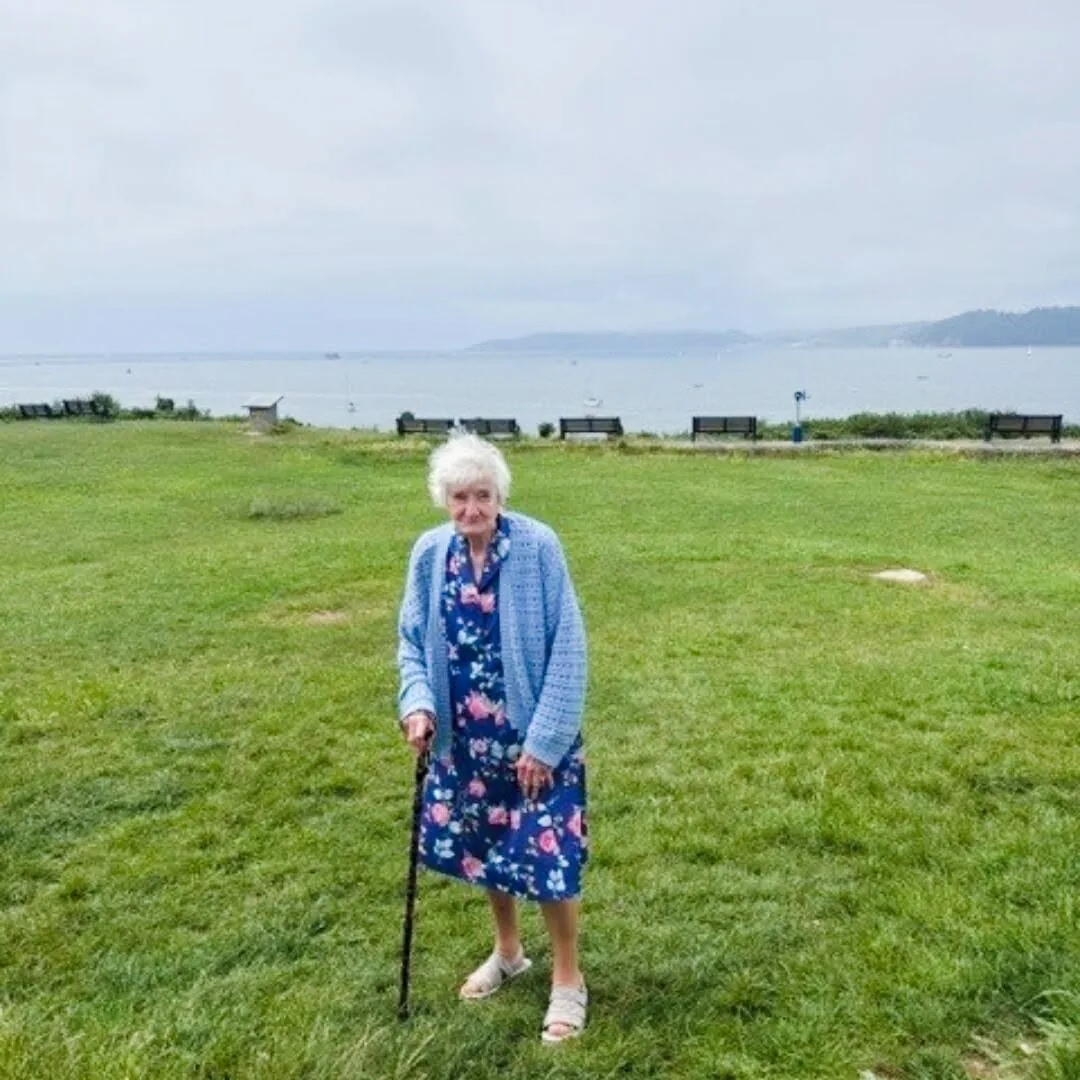

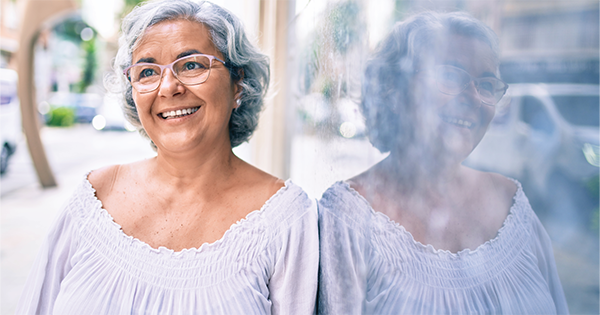
Kath standing on the grass at Jennycliff with Plymouth Sound behind her
CareRight

CareRight

2026 29th July · 5 min read

Share this article

Places can become closely connected with family life. A particular view, café or walking route may recall holidays, celebrations and ordinary afternoons spent together.

Kath recently returned to Jennycliff in Plymouth with support from CareRight. She had visited the area with her husband and children, and the trip gave her an opportunity to spend time in surroundings associated with those memories.

The afternoon included Kath’s favourite jacket potato, followed by time sitting together and looking across Plymouth Sound. There was no need for a full programme of activities. The place, the meal and the conversation gave the outing its meaning.

Returning to a personally important place

Jennycliff forms part of Plymouth’s waterfront and is connected to the South West Coast Path. Its open views and seating make it a familiar destination for local residents and visitors.

For Kath, however, its importance was personal rather than simply scenic. It was somewhere she had spent time with her family. Returning allowed her to talk about those experiences in the place where they happened.

Person-centred support begins with understanding this individual context. A destination selected because it matters to the person may be more engaging than an unfamiliar attraction chosen on their behalf.

“Thank you so much for bringing me here, it has made my week.”
Kath

Making space for reminiscence

Reminiscence can happen naturally during an outing. A view, familiar route or favourite meal may prompt someone to share stories about people and events from their past.

The care worker’s role is to listen without correcting or directing the conversation unnecessarily. Some people may want to talk in detail, while others may prefer to sit quietly and take in the surroundings.

Kath chose to remember happy times with her husband and children. The afternoon allowed those memories to be acknowledged as part of her present-day care rather than treated as separate from it.

Care beyond essential daily tasks

Personal care, medication and nutrition are important parts of many care plans. Social contact and access to the community may also form part of the outcomes a person wants to achieve.

A personally meaningful outing may help someone to:

  • ✓Reconnect with familiar places
  • ✓Share memories and stories
  • ✓Maintain community links
  • ✓Make everyday choices
  • ✓Enjoy preferred food and routines
  • ✓Experience a change of scenery

The experience and its effects will differ for each person. The activity should therefore be selected in response to their own history, wishes and assessed support needs.

Planning a comfortable coastal outing

Coastal locations can involve uneven ground, slopes and changing weather. Planning may include checking parking, seating, accessible toilets and the distance between the vehicle, viewpoint and café.

Mobility equipment, medication times and suitable clothing may also need to be considered. Rest breaks should be built into the day, and the person should remain free to shorten the visit or adjust the plan.

Information about walking routes around the Plymouth waterfront, including the route to Jennycliff, is available from Plymouth City Council. Visitors should confirm current access and facilities before travelling.

Support based on personal outcomes

Personal outcomes describe what someone wants to maintain, regain or experience through their care. This may include seeing friends, visiting a favourite location or continuing an established family tradition.

Kath’s desired experience was specific: to return to Jennycliff, enjoy a preferred meal and spend time with the view. Her words at the end of the visit showed the importance the afternoon held for her.

CareRight provides home care and personal support intended to help people remain involved in their homes and communities. Depending on assessed needs, this may include companionship, personal care, medication assistance and support with everyday activities or social outings.

Home care in Plymouth and Devon

Discuss personalised community support

Families can speak with CareRight about the person’s routines, important places and assessed care needs to establish what support may be suitable.

News
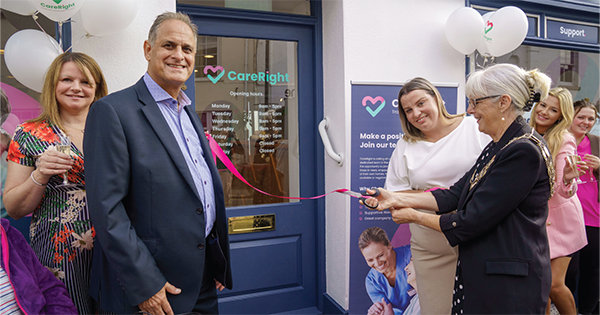
Rebranding Unveiled: Ange ...

Explore CareRight, the rebranded Angel HomeCare, o ...

Your Path to Becoming a D ...

Discover your path to a fulfilling career in domic ...
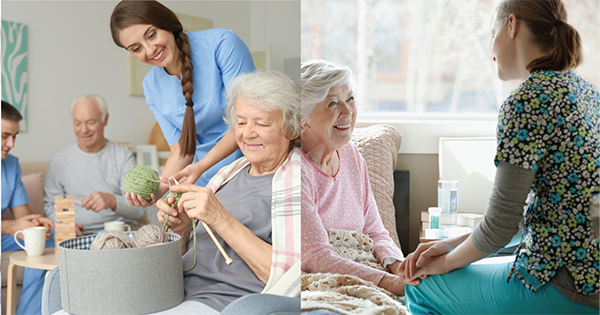
Home Care vs. Care Homes: ...

Explore home care vs. care homes, discover persona ...
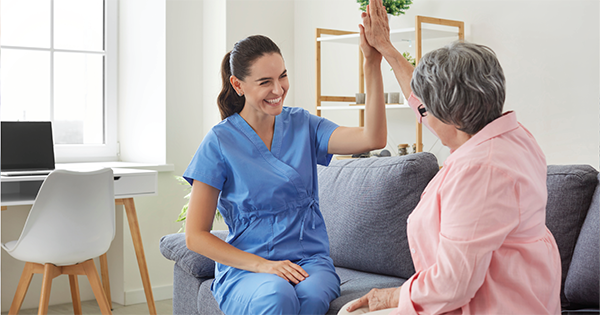
How to Promote Independen ...

Discover effective strategies for promoting indepe ...
Domiciliary Care and How ...

Unlock the potential of Domiciliary Care in bolste ...

Careline Live Care portal

CareRights Care Circle Family Portal

  • Real-time updates for families
  • Emergency access for health professionals
  • Comprehensive information
  • Enhanced communication

Family get visibility on, tasks completed and care notes, so they can see how their loved ones are doing. CareRight uses CarelineLive to keep family in the loop Making up-to-date information accessible.

Peace of mind about loved ones’ care

Find out more

We value your privacy

We use essential cookies to make our site work. With your consent, we may also use non-essential cookies to improve user experience, personalize advertisements, and analyze web traffic. For these reasons, we may share your site usage data with our advertising and analytics partners. By clicking “Accept,” you agree to our website's cookie use as described in our Cookie Policy.

↩

Purposes


+Store and/or access information on a device
Vendors can:
  • Store and access information on the device such as cookies and device identifiers presented to a user.
+Select basic ads
To do basic ad selection vendors can:
  • Use real-time information about the context in which the ad will be shown, to show the ad, including information about the content and the device, such as: device type and capabilities, user agent, URL, IP address
  • Use a user’s non-precise geolocation data
  • Control the frequency of ads shown to a user.
  • Sequence the order in which ads are shown to a user.
  • Prevent an ad from serving in an unsuitable editorial (brand-unsafe) contextVendors cannot:
  • Create a personalised ads profile using this information for the selection of future ads without a separate legal basis to create a personalised ads profile.
  • N.B. Non-precise means only an approximate location involving at least a radius of 500 meters is permitted.
+Create a personalised ads profile
To create a personalised ads profile vendors can:
  • Collect information about a user, including a user's activity, interests, demographic information, or location, to create or edit a user profile for use in personalised advertising.
  • Combine this information with other information previously collected, including from across websites and apps, to create or edit a user profile for use in personalised advertising.
+Select personalised ads
To select personalised ads vendors can:
  • Select personalised ads based on a user profile or other historical user data, including a user’s prior activity, interests, visits to sites or apps, location, or demographic information.
+Create a personalised content profile
To create a personalised content profile vendors can:
  • Collect information about a user, including a user's activity, interests, visits to sites or apps, demographic information, or location, to create or edit a user profile for personalising content.
  • Combine this information with other information previously collected, including from across websites and apps, to create or edit a user profile for use in personalising content.
+Select personalised content
To select personalised content vendors can:
  • Select personalised content based on a user profile or other historical user data, including a user’s prior activity, interests, visits to sites or apps, location, or demographic information.
+Measure ad performance
To measure ad performance vendors can:
  • Measure whether and how ads were delivered to and interacted with by a user
  • Provide reporting about ads including their effectiveness and performance
  • Provide reporting about users who interacted with ads using data observed during the course of the user's interaction with that ad
  • Provide reporting to publishers about the ads displayed on their property
  • Measure whether an ad is serving in a suitable editorial environment (brand-safe) context
  • Determine the percentage of the ad that had the opportunity to be seen and the duration of that opportunity
  • Combine this information with other information previously collected, including from across websites and appsVendors cannot:
    • Apply panel- or similarly-derived audience insights data to ad measurement data without a Legal Basis to apply market research to generate audience insights (Purpose 9)
+Measure content performance
To measure ad performance vendors can: To measure content performance vendors can:
  • Measure and report on how content was delivered to and interacted with by users.
  • Provide reporting, using directly measurable or known information, about users who interacted with the content
  • Combine this information with other information previously collected, including from across websites and apps.Vendors cannot:
  • Measure whether and how ads (including native ads) were delivered to and interacted with by a user.
  • Apply panel- or similarly derived audience insights data to ad measurement data without a Legal Basis to apply market research to generate audience insights (Purpose 9)
+Apply market research to generate audience insights
To apply market research to generate audience insights vendors can:
  • Provide aggregate reporting to advertisers or their representatives about the audiences reached by their ads, through panel-based and similarly derived insights.
  • Provide aggregate reporting to publishers about the audiences that were served or interacted with content and/or ads on their property by applying panel-based and similarly derived insights.
  • Associate offline data with an online user for the purposes of market research to generate audience insights if vendors have declared to match and combine offline data sources (Feature 1)
  • Combine this information with other information previously collected including from across websites and apps. Vendors cannot:
  • Measure the performance and effectiveness of ads that a specific user was served or interacted with, without a Legal Basis to measure ad performance.
  • Measure which content a specific user was served and how they interacted with it, without a Legal Basis to measure content performance.
+Develop and improve products
To develop new products and improve products vendors can:
  • Use information to improve their existing products with new features and to develop new products
  • Create new models and algorithms through machine learningVendors cannot:
  • Conduct any other data processing operation allowed under a different purpose under this purpose

Special Purposes

+Ensure security, prevent fraud, and debug
To ensure security, prevent fraud and debug vendors can:
  • Ensure data are securely transmitted
  • Detect and prevent malicious, fraudulent, invalid, or illegal activity.
  • Ensure correct and efficient operation of systems and processes, including to monitor and enhance the performance of systems and processes engaged in permitted purposesVendors cannot:
  • Conduct any other data processing operation allowed under a different purpose under this purpose.Note: Data collected and used to ensure security, prevent fraud, and debug may include automatically-sent device characteristics for identification, precise geolocation data, and data obtained by actively scanning device characteristics for identification without separate disclosure and/or opt-in.
+Technically deliver ads or content
To deliver information and respond to technical requests vendors can:
  • Use a user’s IP address to deliver an ad over the internet
  • Respond to a user’s interaction with an ad by sending the user to a landing page
  • Use a user’s IP address to deliver content over the internet
  • Respond to a user’s interaction with content by sending the user to a landing page
  • Use information about the device type and capabilities for delivering ads or content, for example, to deliver the right size ad creative or video file in a format supported by the deviceVendors cannot:
  • Conduct any other data processing operation allowed under a different purpose under this purpose

Features

+Match and combine offline data sources
Vendors can:
  • Combine data obtained offline with data collected online in support of one or more Purposes or Special Purposes.
+Link different devices
Vendors can:
  • Deterministically determine that two or more devices belong to the same user or household
  • Probabilistically determine that two or more devices belong to the same user or household
  • Actively scan device characteristics for identification for probabilistic identification if users have allowed vendors to actively scan device characteristics for identification (Special Feature 2)
+Receive and use automatically-sent device characteristics for identification
Vendors can:
  • Create an identifier using data collected automatically from a device for specific characteristics, e.g. IP address, user-agent string.
  • Use such an identifier to attempt to re-identify a device.Vendors cannot:
  • Create an identifier using data collected via actively scanning a device for specific characteristics, e.g. installed font or screen resolution without users’ separate opt-in to actively scanning device characteristics for identification.
  • Use such an identifier to re-identify a device.

Special Features

+Use precise geolocation data
Vendors can:
  • Collect and process precise geolocation data in support of one or more purposes.N.B. Precise geolocation means that there are no restrictions on the precision of a user’s location; this can be accurate to within several meters.
+Actively scan device characteristics for identification
Vendors can:
  • Create an identifier using data collected via actively scanning a device for specific characteristics, e.g. installed fonts or screen resolution.
  • Use such an identifier to re-identify a device.