Meaningful conversations in a relaxed setting

CareRight
2026 29th July · 6 min read
Share this article
Conversations about care do not always need to take place across a desk. A familiar or comfortable setting can give someone time to explain what matters to them in their own words.
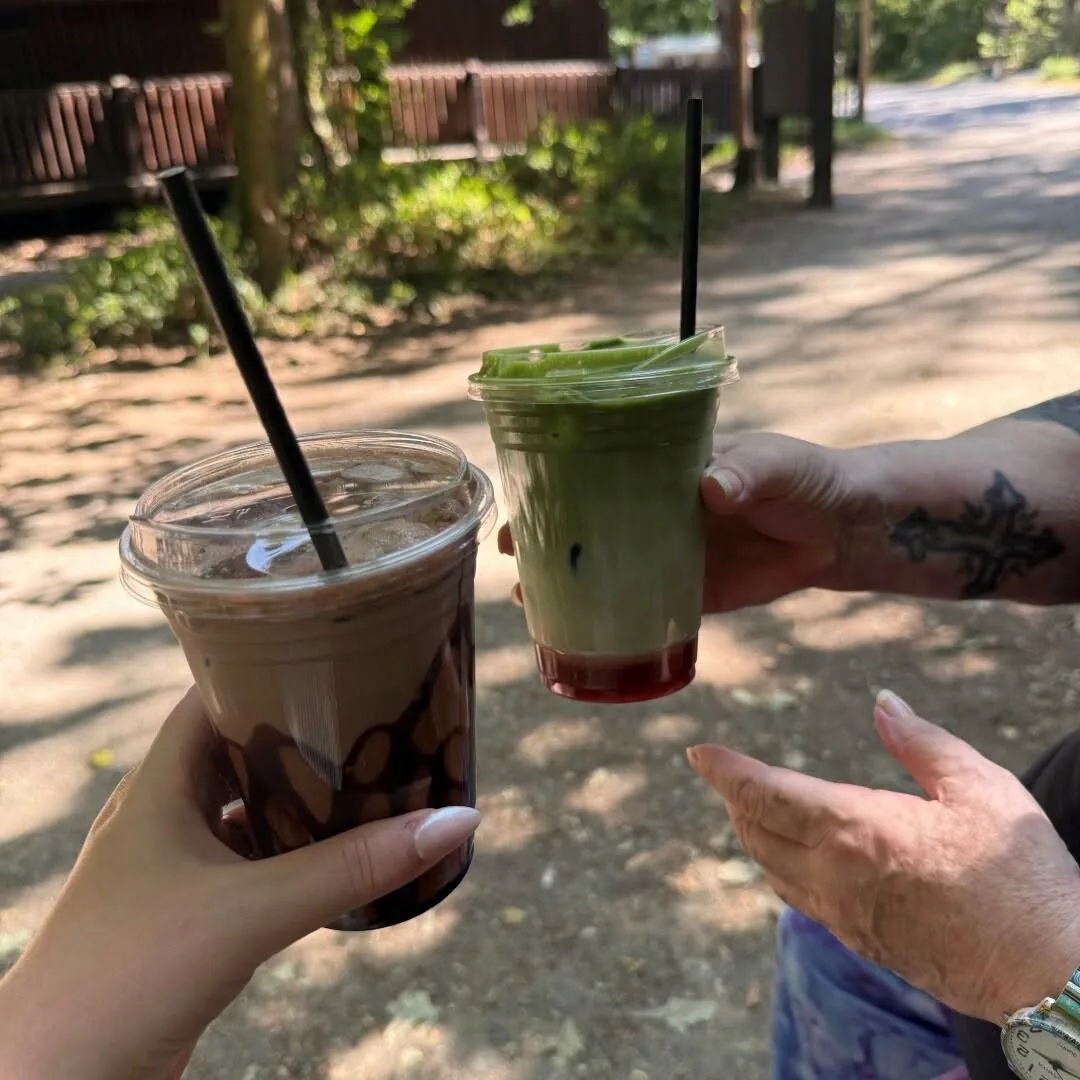
Tina and Jade recently spent an afternoon at Stover Country Park near Newton Abbot. They shared lunch, enjoyed cold drinks in the sunshine and talked about the outcomes Tina would like to work towards.
The discussion was part of the outing rather than a separate formal meeting. This allowed Tina’s goals and preferences to be considered in a setting where she felt able to talk openly and at her own pace.
Choosing a suitable setting
Stover Country Park contains woodland, grassland, marsh and a lake. Its visitor facilities, paths and seating provide different ways to spend time outdoors.
On this visit, Tina and Jade chose a quiet place to sit with their drinks. The informal surroundings allowed conversation to develop naturally rather than following a rigid list of questions.
The right environment differs between individuals. One person may prefer to talk at home, while another may be more comfortable during a walk, café visit or drive. Privacy, accessibility and the person’s communication preferences should guide the choice.
A comfortable setting can give someone the time and space to describe what they want from their support.
What are personal outcomes?
Personal outcomes describe the changes, experiences or routines that a person wants to maintain or achieve. They focus on the individual’s life rather than on a list of care tasks.
An outcome might involve preparing a meal, attending an appointment, rebuilding confidence outside the home or returning to a favourite hobby. It should be specific to the person and reviewed as their circumstances or priorities change.
Tina’s conversation with Jade gave her an opportunity to identify the outcomes that were important to her. These can then inform how support is planned and how progress is discussed.
Keeping the person at the centre of planning
Person-centred planning involves listening to the person and recognising their right to make choices. Family members and professionals may contribute relevant information, but the individual’s own views should remain central wherever possible.
A useful conversation may explore:
- ✓What matters most to the person
- ✓Activities they want to continue
- ✓Changes they would like to make
- ✓Support they find helpful
- ✓Barriers affecting their goals
- ✓How progress should be reviewed
The discussion should allow pauses, questions and changes of mind. Some outcomes may need to be broken into smaller steps, while others may require coordination with relatives or other professionals.
Combining conversation with an enjoyable outing
The purpose of Tina and Jade’s visit was not limited to care planning. They also spent time outdoors, shared lunch and enjoyed the park. This helped the afternoon remain a social experience rather than feeling like an assessment.
Community outings can reveal practical information about a person’s preferences and support needs. The care worker may learn which environments feel comfortable, how much walking is manageable and what assistance helps without becoming intrusive.
Information about Stover Country Park’s current facilities and accessibility is available through Visit South Devon. Visitors should check access, weather and opening information before travelling.
Turning conversation into a practical plan
An identified outcome needs practical next steps. These may include agreeing who will provide support, considering transport, checking affordability and deciding how often an activity should take place.
Goals should be realistic without being unnecessarily restrictive. Risk can be considered alongside the person’s right to make choices and take part in ordinary life. The plan should record what support is needed and what the person can do independently.
Reviews provide an opportunity to discuss what has worked, what has changed and whether the outcome remains relevant. Tina should continue to shape these decisions as her support develops.
Care shaped around the individual
CareRight provides home care and personal support intended to help people remain involved in their homes and communities. Depending on assessed needs, this may include companionship, personal care, medication assistance and support with everyday activities or social outings.
Understanding personal outcomes helps connect these practical services with the life the individual wants to lead. Tina’s afternoon at Stover Country Park provided time to begin that conversation in surroundings she could enjoy.
Person-centred care in Devon
Discuss care based on personal outcomes
Families can speak with CareRight about the person’s routines, aspirations and assessed care needs to establish what support may be suitable.
News
Explore CareRight, the rebranded Angel HomeCare, o ...

Discover your path to a fulfilling career in domic ...
Explore home care vs. care homes, discover persona ...

Discover effective strategies for promoting indepe ...

Unlock the potential of Domiciliary Care in bolste ...


